TOP CUSTOMER REVIEW

Granddaughter loved it, easy segway into science.

Sue

Childrens Microscope | Beginners Microscope Set | Microscope For Kids

Turn Screen Time Into Discovery Time With This Kids Scientific Microscope Kit

Beginner-friendly science microscope kit with 1200x maximum magnification & comfortable 45 degree viewing angle. Metal construction built to last through years of exploration. Complete accessory set includes slides, tweezers, collection vials, & phone holder. Perfect for STEM learning at home.

Sale!

Original price was: £99.Current price is: £79.

FREE FAST DELIVERY ACROSS UK FOR ALL ORDERS £75+ OR MORE - (Save £25)

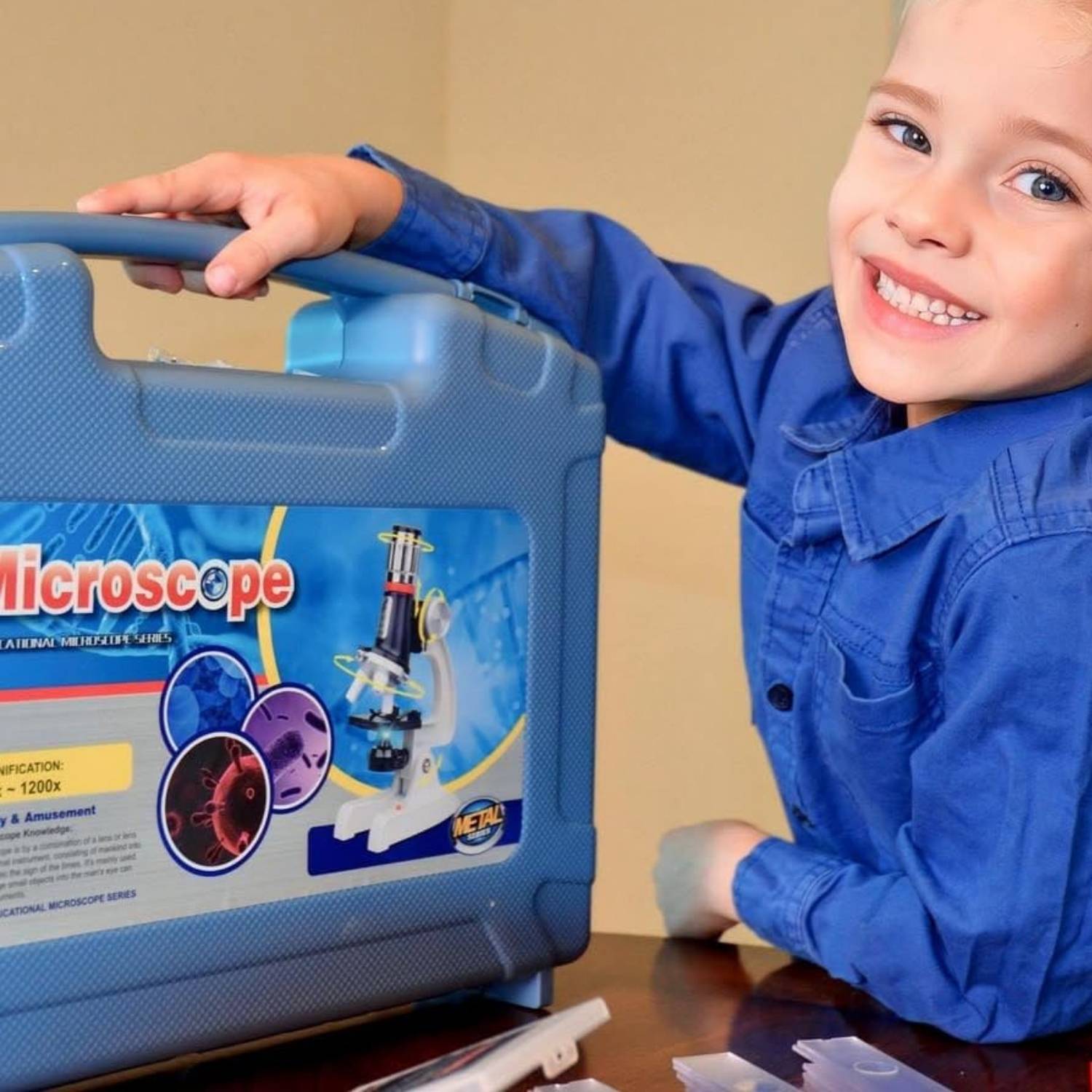
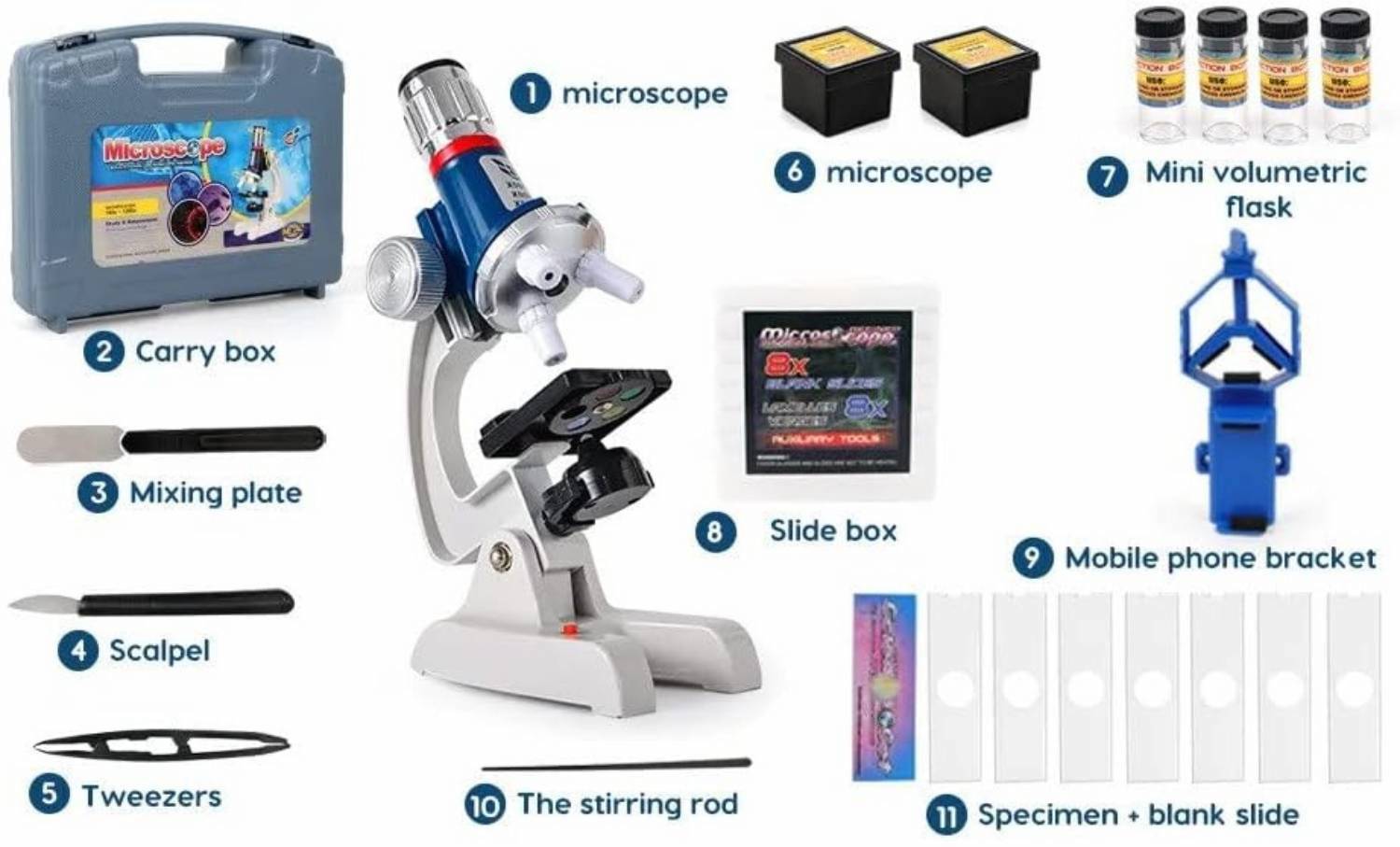
Our kids’ beginner microscope kit comes with everything your child needs, including a microscope, plastic slides with case, label trays, spatula, stirring rod, tweezers, and collecting vials.

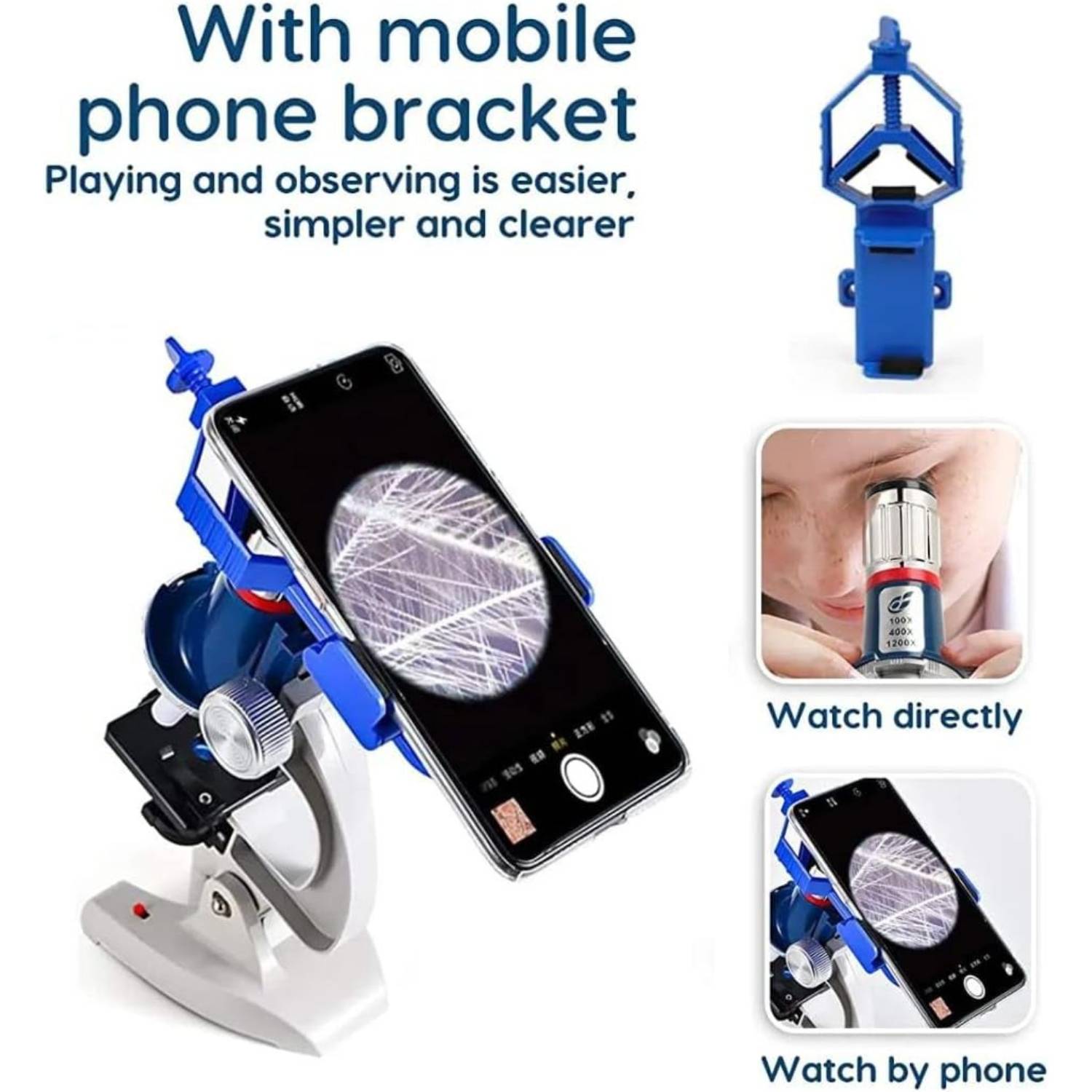
Plus, a mobile phone holder allows for high-definition imaging and reduces eye fatigue.

EACH KIT INCLUDES

buy kids beginner microscope set

SPECIFICATIONS
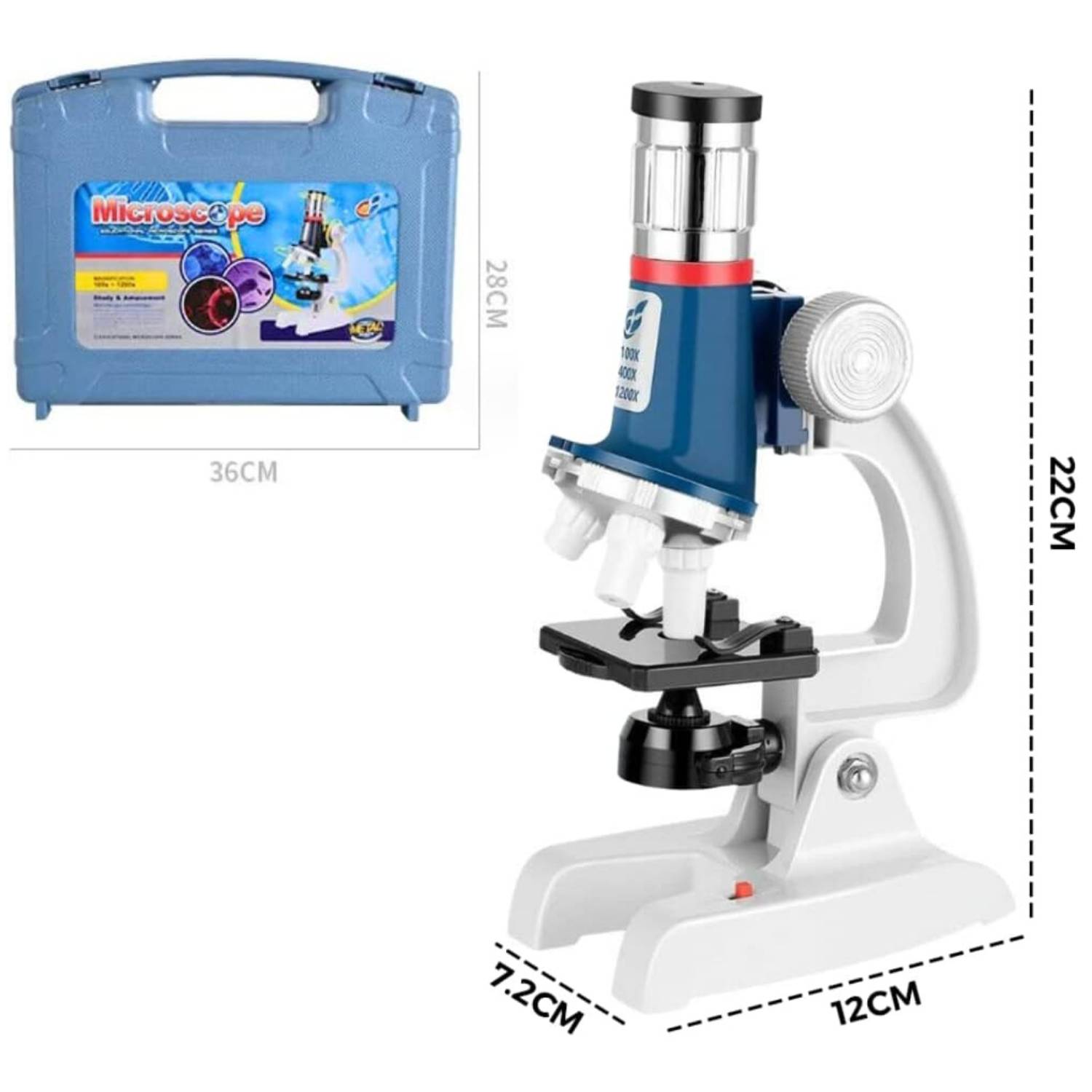
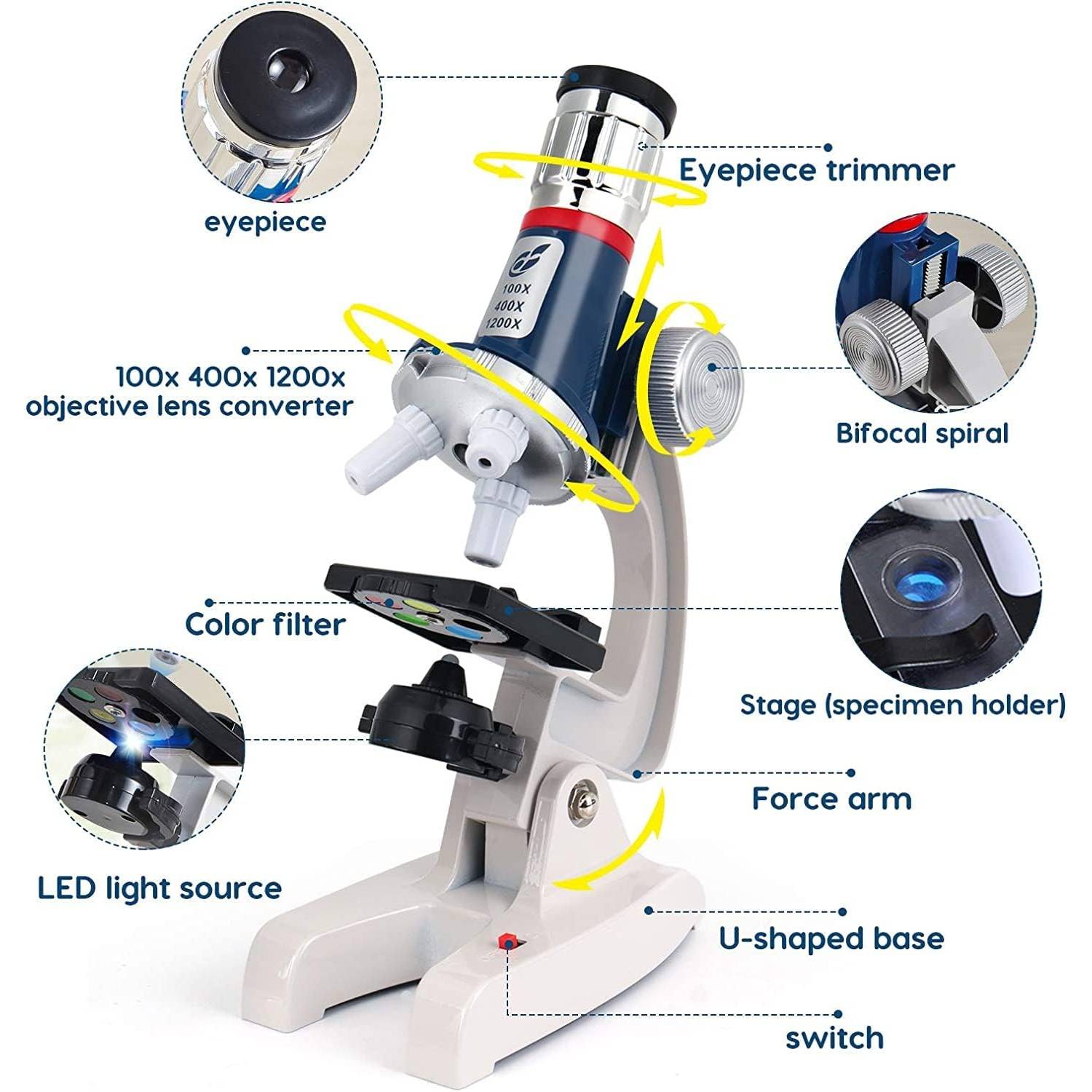
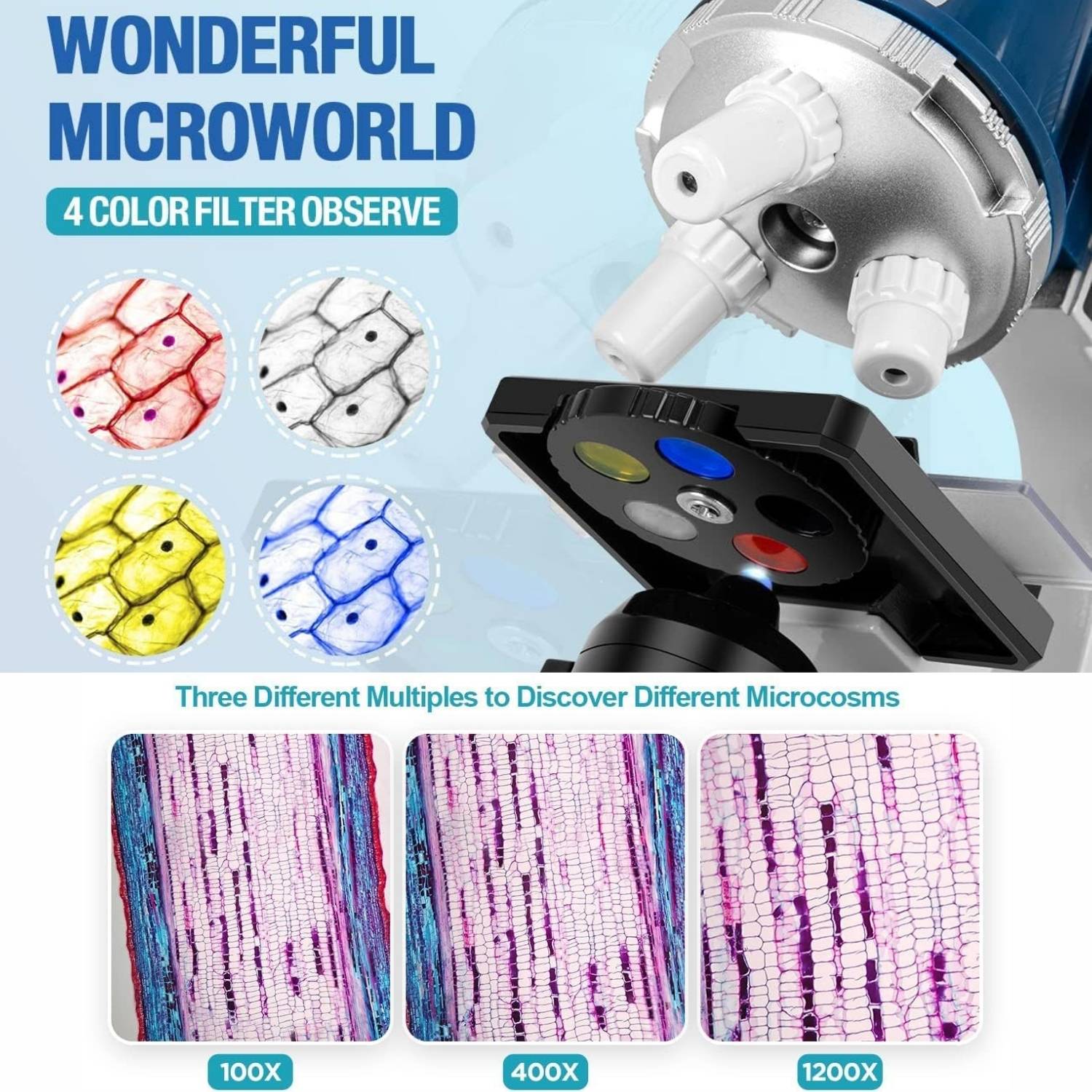
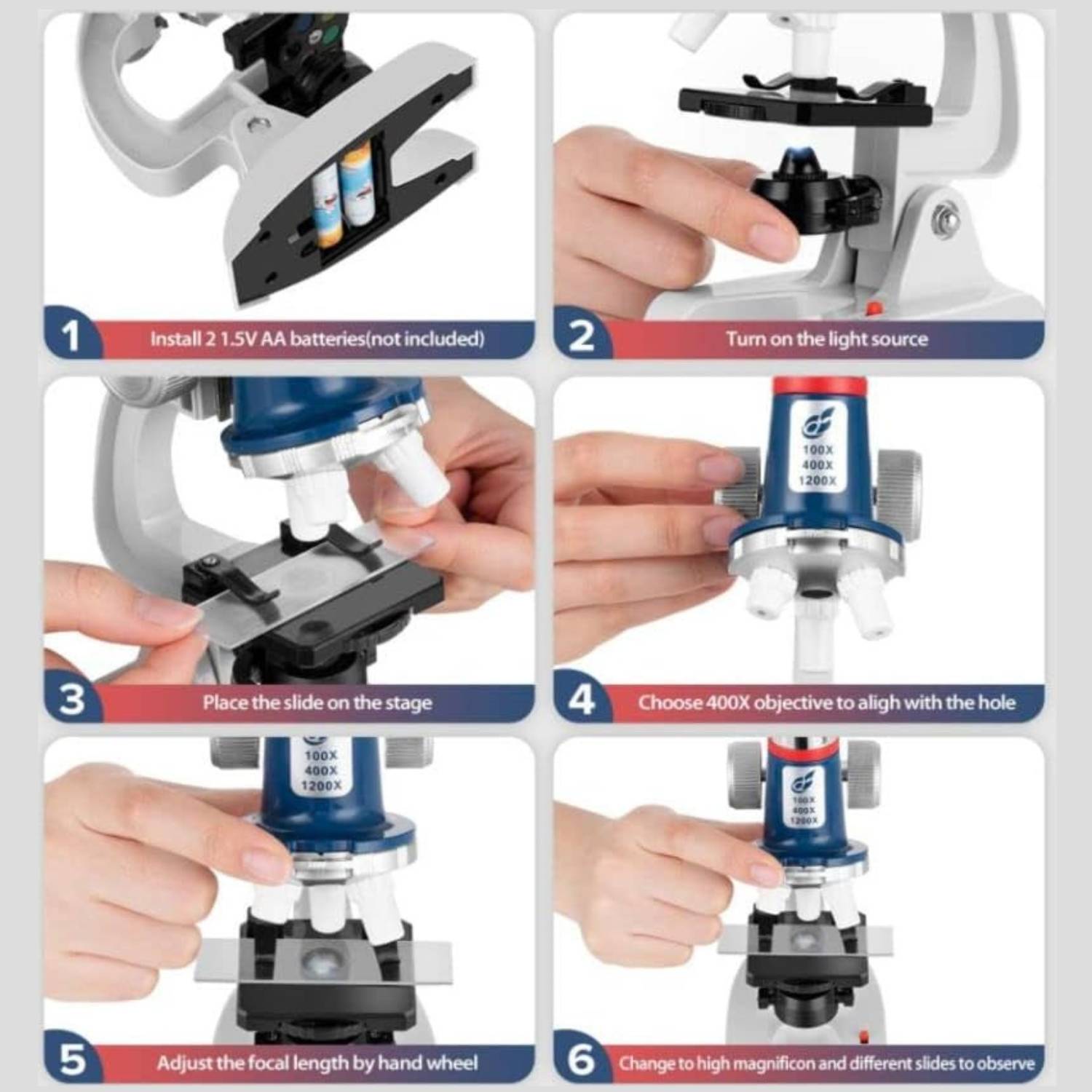
  • 3 adjustable magnifications: 100x, 400x, and 1200x
  • Rotating color filter wheel (4 colors) and built-in LED illumination for enhanced image quality
  • LED lighting system with independent switch for easy viewing of slides
  • Valuable complete accessories include plastic slides with case, label tray, plastic spatula, stirring rod, plastic tweezers, and collection vials
  • Mobile phone holder included for viewing high-definition images on a phone to reduce eye strain

buy microscope kit for children

best online company

DUE TO CURRENT DEMAND PLEASE ALLOW 5-7 DAYS DELIVERY
Direct To Your Door - All Across The UK

Original price was: £99.Current price is: £79.

where to buy products online
buy kids beginner microscope set
buy microscope kit for children
Z

Unlimited Scientific Discovery

This comprehensive kit gives young scientists everything they need to investigate biology and histology through hands-on experimentation and observation.
Z

Quality Family Bonding Time

Transform everyday moments into memorable learning experiences. This science microscope creates engaging activities that bring families together, bridging age gaps with discoveries that fascinate children and adults equally.
Z

Three Professional Magnification Levels

Zoom from 100x to 400x and all the way to 1200x magnification to reveal hidden worlds invisible to the naked eye. Each power level unveils new details that captivate curious minds and inspire deeper investigation.
Z

STEM Learning Made Tangible

Perfect for homeschool curricula, classroom environments, or as a thoughtful gift for birthdays and holidays. This hands-on learning tool transforms abstract scientific concepts into concrete discoveries that build genuine understanding and enthusiasm for the natural sciences.
Z

Travel-Ready Design

Housed in a durable ABS carrying case, this metal-bodied microscope travels safely wherever learning happens. Move seamlessly from home to classroom to outdoor fieldwork without worry about damage or lost components.
Z

Complete Exploration System

Your kit arrives with essential tools including precision tweezers, mixing plates, droppers, scalpels, and more. Everything needed for serious scientific investigation in one organized package.
Z

Nurturing Future Scientists

This authentic scientific instrument makes complex concepts accessible and enjoyable. By introducing children to biology and botany through direct observation, we cultivate natural curiosity and develop genuine passion for scientific exploration and discovery.
best kids microscope kit
best science microscope for kids
buy beginners science microscope
best stem learning microscope
buy microscope for kids
buy childrens microscope beginner set
buy activity microscope kit for kids.jpg
best microscope for child
best microscope for kids
best beginner microscope kit
best beginner microscopes
best childrens microscope kit
Frequently Asked Questions
the clearance warehouse company united kingdom
  • WHICH PAYMENT METHODS ARE ACCEPTED?

    We currently only accept credit card payments, PayPal & Crypto currency. More payment methods will be added in the future.

  • HOW DO I KNOW IF MY ORDER HAS BEEN SHIPPED?

    Once your order is shipped, it will be marked as complete in our database and you will receive a confirmation email with a tracking number.

  • DO YOU HAVE A SHOP LOCATION?

    We are a “online supplier”, with no physical shop or premises. In this way, we are able to pass our considerable savings directly to you.

  • DO I GET A RECEIPT FOR MY ORDER?

    You will be sent a receipt for your order by email after payment is made. You will also receive a confirmation email with a tracking number once your item has been shipped.

  • I HAVEN'T RECEIVED MY ORDER YET! IS IT LOST?

    If you have any concerns with your order, please contact our support team by email and they will be glad to assist you. Most emails are answered within 1 business day.

    Support Team: theteam@customersupport.care

  • WHAT CURRENCY ARE THE PRICES DISPLAYED IN?

    All of our prices are displayed in £ GBP - British Pound

  • WHAT ARE YOUR DELIVERY OPTIONS AND HOW LONG WILL IT TAKE?
    • UK: Free delivery, 5-7 days
    • Other countries: Free delivery, 7-10 days

    OUR DELIVERY PARTNERS

    uk delivery partners
  • Is a Microscope For Kids appropriate for advanced budding scientists?

    Is a Microscope For Kids appropriate for advanced budding scientists? Yes—many models include higher magnifications and adjustable features, giving motivated learners a strong scientific foundation.

  • Is a Childrens Microscope safe for young users learning independently?

    Is a Childrens Microscope safe for young users learning independently? Yes—most feature stable bases, smooth edges and simple focusing, helping children explore safely while maintaining proper scientific technique.

  • Can a Childrens Microscope show moving microorganisms?

    Can a Childrens Microscope show moving microorganisms? Yes—samples from pond water or natural puddles often reveal protozoa and algae, giving kids a thrilling look at live microscopic motion.

  • Are Beginners Microscope Sets good for holiday or rainy-day learning?

    Are Beginners Microscope Sets good for holiday or rainy-day learning? Absolutely—they offer hours of indoor investigation as children explore fibres, dust, leaves and crystals through magnified detail.

  • Does a Beginners Microscope Set promote hands-on STEM skills?

    Does a Beginners Microscope Set promote hands-on STEM skills? Absolutely. Kids gain observation, classification and recording skills as they work with slides, tools and real samples—core competencies for future STEM pathways.

  • How can teachers integrate a Childrens Microscope into lessons?

    How can teachers integrate a Childrens Microscope into lessons? They can use it for plant studies, material comparisons and microbial observations, enriching topics with magnified evidence students can see directly.

  • Is a Microscope For Kids helpful for group or sibling activities?

    Is a Microscope For Kids helpful for group or sibling activities? Definitely. Kids can collaborate on slide preparation and observations, encouraging teamwork and shared scientific curiosity.

  • Does a Beginners Microscope Set really help kids understand biology better?

    Does a Beginners Microscope Set really help kids understand biology better? Yes—magnified views of cells, fibres and tiny organisms make abstract concepts concrete, boosting comprehension and increasing knowledge retention during study.

  • Why is a Microscope For Kids a strong entry point into STEM learning?

    Why is a Microscope For Kids a strong entry point into STEM learning? It introduces experimentation, magnification and structured inquiry—key elements that nurture analytical thinking and future STEM confidence.

  • Can a Childrens Microscope support long-term interest in science?

    Can a Childrens Microscope support long-term interest in science? Early exploration often leads to sustained curiosity. Regular use builds familiarity with scientific methods and observation skills.

  • How long does a Beginners Microscope Set keep children engaged?

    How long does a Beginners Microscope Set keep children engaged? With varied slides and endless sample possibilities, it offers long-term discovery. Kids remain interested as they observe new textures, crystals and biological forms.

  • How does a Beginners Microscope Set simplify first-time slide preparation?

    How does a Beginners Microscope Set simplify first-time slide preparation? It usually includes tools like tweezers, droppers and guides, making it easier for kids to prepare samples accurately and understand basic scientific technique.

  • Do Beginners Microscope Sets come with educational guides?

    Do Beginners Microscope Sets come with educational guides? Most sets include experiment sheets or learning booklets that outline activities, helping children perform tests and understand biological structures with ease.

  • How durable is a Childrens Microscope for everyday school or home use?

    How durable is a Childrens Microscope for everyday school or home use? Kid-oriented microscopes are built with sturdy frames and reinforced optics designed to withstand regular handling, making them reliable for frequent STEM practice.

  • Can a Microscope For Kids help with homework and science revision?

    Can a Microscope For Kids help with homework and science revision? Yes—visual reinforcement of textbook topics like cells and microorganisms helps children retain information, turning study time into active discovery.

  • What types of samples can a Beginners Microscope Set analyse at home?

    What types of samples can a Beginners Microscope Set analyse at home? Kids can view onion skins, salt, sugar, hair, textiles and pond water. These everyday materials reveal rich, microscopic structures.

  • Is a Microscope For Kids easy to operate without adult expertise?

    Is a Microscope For Kids easy to operate without adult expertise? Yes—most designs feature intuitive knobs, pre-prepared slides and clear guides. Children can explore safely while adults simply supervise, making science sessions fun and low-effort.

  • How does a Childrens Microscope encourage independent learning?

    How does a Childrens Microscope encourage independent learning? It sparks curiosity, letting kids investigate household samples and record findings. This builds confidence, discipline and natural scientific reasoning.

  • What comes typically included in a Beginners Microscope Set for new users?

    What comes typically included in a Beginners Microscope Set for new users? Most sets include slides, cover slips, specimen samples and tools like droppers or tweezers, giving kids everything needed to begin scientific hands-on experiments immediately.

  • What age group benefits most from a Childrens Microscope?

    What age group benefits most from a Childrens Microscope? It’s ideal for curious learners aged 6–12, offering simple focusing, clear optics and engaging activities that match early science curricula and spark long-term interest.

  • Why choose a Microscope For Kids instead of a professional model?

    Why choose a Microscope For Kids instead of a professional model? Child-friendly models focus on ease, safety and stability, offering the magnification children need without complex adjustments—ideal for ages 6–12 beginning biological exploration.

  • Does a Microscope For Kids help reduce screen time?

    Does a Microscope For Kids help reduce screen time? Yes—it encourages immersive, hands-on exploration that shifts attention away from digital devices toward real-world scientific investigation.

  • What skills does a Childrens Microscope reinforce beyond science?

    What skills does a Childrens Microscope reinforce beyond science? It strengthens concentration, patience, fine motor skills and logical reasoning as kids prepare slides and analyse results.

  • What makes a Childrens Microscope suitable for early learners?

    What makes a Childrens Microscope suitable for early learners? It offers simple controls, durable parts and clear optical lenses that help kids view cells, fibres and crystals. Many models include slides and guides so young explorers can begin science safely and confidently.

  • Can a Beginners Microscope Set be used outdoors for nature collecting?

    Can a Beginners Microscope Set be used outdoors for nature collecting? Kids can gather leaves, petals, soil and water samples outside, then examine them indoors, linking outdoor discovery with scientific visual analysis.

  • Is a Microscope For Kids engaging for children who dislike theory-based study?

    Is a Microscope For Kids engaging for children who dislike theory-based study? Yes—hands-on exploration transforms abstract ideas into visible structures, making learning active and enjoyable.

  • Can a Childrens Microscope support primary-school science activities?

    Can a Childrens Microscope support primary-school science activities? Absolutely. Students can examine plant cells, leaf veins, sand grains and insect wings, reinforcing classroom lessons with real-world, magnified detail aligned with school learning goals.

  • Is a Microscope For Kids suitable for complete beginners aged under ten?

    Is a Microscope For Kids suitable for complete beginners aged under ten? Definitely. With simplified focusing systems and safe components, young learners can investigate textures, leaves and water samples without prior science experience.

  • Can a Beginners Microscope Set be used for school projects and fairs?

    Can a Beginners Microscope Set be used for school projects and fairs? Yes—its clear magnification and included accessories support experiments like comparing fibres, analysing soil or observing pond life for engaging science presentations.

  • What can children actually see using a Microscope For Kids?

    What can children actually see using a Microscope For Kids? They can view onion cells, leaf structures, salt crystals, fabrics and tiny aquatic organisms. These detailed visuals help them understand patterns and scientific structure.

The Complete Guide to Children’s Microscopes: Inspiring Young Scientists Through Discovery

Introducing children to the microscopic world opens a gateway to scientific discovery that can shape their educational journey for years to come. A quality children’s microscope transforms invisible mysteries into tangible learning experiences, fostering curiosity and analytical thinking from an early age. Whether you’re searching for a first microscope for a budding young scientist or looking to upgrade a child’s exploration tools, understanding the features, benefits, and considerations involved in selecting the right beginners microscope set makes all the difference in creating lasting educational value.

Why Microscopes Matter in Early Science Education

Microscopes serve as powerful educational tools that bridge the gap between abstract scientific concepts and concrete observable reality. When children peer through a microscope lens for the first time and witness the intricate details of a flower petal, the segmented body of an insect, or the cellular structure of an onion skin, they experience a profound shift in perspective that textbooks alone cannot provide.

This hands-on exploration develops critical thinking skills as children learn to prepare specimens, adjust focus, manipulate magnification levels, and document their observations. The process teaches patience, precision, and the scientific method in an engaging, age-appropriate format. Research consistently demonstrates that children who engage with scientific instruments early develop stronger STEM skills and maintain greater interest in science throughout their academic careers.

Beyond academic benefits, microscopes nurture natural curiosity by revealing hidden worlds that exist all around us. A simple drop of pond water becomes a thriving ecosystem. A strand of hair transforms into a complex structure with visible scales and patterns. These discoveries create memorable moments that inspire lifelong learning and appreciation for the natural world.

Understanding Different Types of Microscopes for Kids

Compound Microscopes for Young Learners

Compound microscopes represent the most common type found in beginners microscope sets designed for children. These instruments use multiple lenses working together to achieve higher magnification levels, typically ranging from 40x to 400x or even 1000x in advanced student models. The compound design makes them ideal for examining thin specimens like prepared slides, cell samples, and transparent materials.

Quality compound microscopes for children feature sturdy construction that withstands enthusiastic handling while maintaining optical precision. They typically include both eyepiece and objective lenses that work in combination to magnify specimens. Lower magnification settings help beginners develop focusing skills before advancing to higher power observations that reveal cellular details and microorganisms.

The educational value of compound microscopes lies in their versatility for biological studies. Children can examine everything from plant cells and textile fibers to blood samples and microorganisms, building a comprehensive understanding of microscopic structures across various subjects.

Stereo Microscopes for Three-Dimensional Viewing

Stereo microscopes, also called dissecting microscopes, provide a different viewing experience that particularly appeals to younger children and beginners. These instruments use two separate optical paths to create three-dimensional images of specimens, making them perfect for examining larger objects like insects, rocks, coins, leaves, and electronic components.

The lower magnification range of stereo microscopes, typically between 10x and 40x, makes them more forgiving for young users still developing fine motor control and focusing skills. The wider field of view and greater working distance between the lens and specimen allow children to manipulate objects while viewing them, facilitating dissection activities and detailed examination of surface features.

Many educators recommend stereo microscopes as excellent first microscopes for younger children because they work with familiar objects and don’t require slide preparation. Kids can immediately place interesting items under the lens and begin exploring without mastering complex specimen preparation techniques.

Digital Microscopes for Modern Learning

Digital microscopes represent the latest evolution in children’s scientific instruments, connecting traditional microscopy with contemporary technology. These devices capture images through a digital camera rather than requiring direct eyepiece viewing, displaying specimens on computer screens, tablets, or built-in LCD displays.

The ability to share observations with family members, save images for later review, and even create time-lapse videos of changing specimens adds exciting dimensions to microscope exploration. Digital microscopes eliminate eye strain from prolonged viewing and make collaborative learning easier when multiple children want to examine specimens together.

Many digital models include measurement software, annotation tools, and comparison features that help children document their discoveries systematically. This technology integration appeals to digital-native learners while teaching valuable skills in scientific documentation and image analysis.

Essential Features in a Quality Beginners Microscope Set

Magnification Range and Optical Quality

The magnification capabilities of a children’s microscope should match the child’s age, experience level, and intended applications. Beginners typically benefit from microscopes offering 40x to 400x magnification, providing enough power to observe cellular structures without requiring the advanced focusing skills needed for higher magnifications.

Optical quality matters significantly more than maximum magnification numbers. Marketing claims of 1200x or 2400x magnification often indicate poor optical design that produces blurry, dim images rather than useful scientific observations. Quality glass lenses deliver clear, well-illuminated images at moderate magnifications that actually teach children proper microscopy techniques.

Look for microscopes with achromatic or better lens systems that correct color distortion and provide sharp focus across the entire viewing field. The clarity of images directly impacts learning outcomes, as children quickly lose interest when struggling to see details clearly or spending excessive time attempting to achieve proper focus.

Durable Construction for Active Young Users

Children’s microscopes must withstand the inevitable bumps, tilts, and enthusiastic handling that accompany youthful exploration. Metal construction in key structural areas provides longevity that plastic-heavy designs cannot match. The base should be weighted sufficiently to prevent tipping when children adjust the focus or change specimens.

The focusing mechanism represents a critical durability consideration. Smooth, controlled focusing knobs with appropriate resistance help children develop proper technique while preventing sudden movements that could damage slides or knock specimens out of position. Quality designs separate coarse and fine focusing controls, teaching precision and preventing the frustration of overshooting the focal point.

Consideration should also be given to replaceable and upgradeable components. Microscopes with standard-sized objectives, eyepieces, and accessories allow for expansion as children’s skills progress, extending the useful life of the instrument beyond initial beginner stages.

Illumination Systems and Power Options

Proper illumination makes the difference between clear observation and squinting at dim, indistinct images. Modern children’s microscopes typically feature LED lighting that provides bright, cool illumination without the heat and bulb replacement issues of older incandescent systems. LED systems also consume less power, extending battery life or reducing energy costs.

The best beginners microscope sets offer adjustable illumination intensity, allowing children to learn how lighting affects specimen visibility. Too much light can wash out details or create glare, while insufficient lighting leaves specimens shadowy and difficult to observe. Variable lighting teaches children to optimize viewing conditions for different specimen types and magnification levels.

Power options vary between battery operation and AC adapters. Battery-powered microscopes offer portability for outdoor exploration and field studies, while corded models eliminate concerns about dead batteries interrupting observation sessions. Dual power capability provides maximum flexibility for various learning environments.

Included Accessories and Expansion Potential

Comprehensive beginners microscope sets include essential accessories that enable immediate exploration and sustained learning. Quality sets typically provide prepared slides showcasing various specimens, blank slides and coverslips for creating custom preparations, specimen collection tools, and instructional materials guiding first observations.

Additional useful accessories include lens cleaning supplies to maintain optical clarity, specimen containers for collecting samples, and labeling materials for organizing observations. Some advanced sets incorporate dissection tools, petri dishes, and even basic chemistry supplies for preparing stains that enhance cellular visibility.

Consider the availability of compatible accessories for future expansion. Standardized sizing for slides, objectives, and eyepieces means children can upgrade components or add specialized viewing options as their skills and interests develop, making the initial investment more valuable long-term.

Age-Appropriate Microscope Selection Guidelines

Microscopes for Ages 5 to 8

Young children in this age range benefit most from simple, sturdy microscopes that prioritize ease of use over advanced features. Stereo microscopes with 10x to 20x magnification work exceptionally well, allowing kids to examine familiar objects like leaves, flowers, insects, and household items without requiring complex slide preparation.

Look for models with large, easy-to-grip focusing knobs and robust construction that forgives drops and bumps. Fixed focus microscopes eliminate the frustration of trying to achieve sharp images, though simple one-knob focusing mechanisms can work well for children developing fine motor skills. Bright LED illumination and wide viewing areas make observation comfortable and engaging.

At this developmental stage, the goal centers on building enthusiasm for scientific exploration rather than mastering advanced microscopy techniques. Choose instruments that deliver immediate success and wow-factor discoveries to nurture budding interest in the microscopic world.

Microscopes for Ages 9 to 12

Elementary and middle school children possess the dexterity and patience for compound microscopes with multiple magnification settings. Models offering 40x, 100x, and 400x magnification levels teach children to progress systematically from low to high power, developing proper focusing techniques and understanding how magnification affects observation.

This age group benefits from microscopes that balance educational capability with user-friendly features. Monocular viewing (single eyepiece) works well and costs less than binocular models, though binocular microscopes reduce eye strain during extended viewing sessions. Included slide sets should feature diverse specimens from plant and animal tissues to textile fibers and crystals.

Structured learning materials become valuable at this stage, guiding children through progressively challenging observations and introducing basic biology and material science concepts. Look for sets that include activity guides with age-appropriate experiments and observation challenges.

Microscopes for Teenagers and Advanced Young Scientists

Serious student microscopes for teenagers should meet specifications comparable to entry-level laboratory instruments. Magnification up to 1000x with oil immersion capability enables observation of bacteria and detailed cellular structures. Binocular viewing, mechanical stage controls, and Abbe condenser systems provide features found in professional settings.

Advanced students appreciate digital integration options that support scientific documentation through image capture and analysis software. The ability to connect microscopes to computers transforms observations into formal lab reports with annotated images and measured specimens.

At this level, microscope selection should consider potential educational pathways. Students serious about biology, medicine, or materials science benefit from instruments that will serve them through advanced high school courses and potentially into early college studies, making higher-quality instruments worthwhile investments.

Educational Activities and Experiments for Kids

Getting Started with First Observations

Begin microscope adventures with prepared slides included in most beginners microscope sets. These professional specimens show clear, well-stained examples of various materials and help children learn focusing techniques with optimized samples. Start at the lowest magnification and teach the systematic progression to higher powers only after achieving clear focus at each level.

Newspaper print and magazine photographs make excellent first specimens for children preparing their own slides. The visible dot patterns in printed images surprise young observers and demonstrate how ordinary objects contain hidden details. Salt and sugar crystals provide another simple preparation that reveals geometric structures invisible to naked eyes.

Encourage children to create observation journals documenting what they see, the magnification used, and any questions that arise. This practice develops scientific thinking and creates a record of learning progression that builds confidence as skills improve.

Exploring the Natural World

Nature provides endless microscope specimens that connect children with their environment. Flower petals reveal cellular structures and pollen grains. Leaves show vein patterns and stomata. Feathers display intricate barb and barbule arrangements. These observations transform ordinary outdoor items into subjects of scientific inquiry.

Pond water samples create particularly exciting viewing experiences as children discover living microorganisms swimming across their viewing field. Paramecia, amoebas, water fleas, and various algae types demonstrate that thriving ecosystems exist in seemingly simple water drops. This activity works best with stereo microscopes at lower magnifications or compound microscopes at 40x to 100x power.

Insect anatomy studies fascinate children while teaching important biology concepts. Examining ant bodies reveals segmentation, compound eyes show individual lenses, and butterfly wing scales display the structures that create iridescent colors. These observations can lead to broader discussions about adaptation, biodiversity, and ecology.

Kitchen Science Under the Microscope

The kitchen provides numerous safe, accessible specimens for microscope exploration. Onion skin cells become one of the most popular early specimens because they demonstrate classic cellular structure clearly. The thin membrane peels easily from onion layers and requires no special preparation beyond placing on a slide with a drop of water.

Yeast cells activate when mixed with warm sugar water, allowing children to observe living microorganisms and even witness budding reproduction under sustained observation. Salt, sugar, and various spice crystals each display unique geometric patterns. Comparing table salt with kosher salt or sea salt introduces concepts about mineral processing and crystal formation.

Textile fibers from clothing show surprising variety under magnification. Cotton appears as twisted ribbons, wool shows overlapping scales, and synthetic fibers display smooth, uniform structures. These observations connect to everyday materials while teaching about natural versus manufactured products.

Forensic Science and Detective Work

Mystery-solving activities using microscopes engage children’s imagination while teaching observation skills. Comparing hair samples from family members and pets demonstrates how microscopic characteristics enable identification. Examining soil samples from different locations reveals varied compositions of minerals, organic matter, and tiny organisms.

Fingerprint analysis becomes possible with simple ink pad impressions transferred to clear tape and mounted on slides. Children can identify the basic fingerprint patterns of whorls, loops, and arches while learning about unique individual characteristics. This activity naturally leads to discussions about forensic science and scientific careers.

Document analysis activities involve comparing different papers, inks, and printed materials under magnification. Children discover how paper fibers vary, how ink sits differently on various surfaces, and how photocopies differ from original prints at microscopic levels.

Proper Microscope Care and Maintenance

Handling and Storage Best Practices

Teaching children proper microscope care develops responsibility while protecting the investment in their education. Always carry microscopes with two hands, one supporting the base and the other holding the arm. This prevents tilting and potential drops that could damage delicate optical components. Store microscopes in their original boxes or dedicated storage areas protected from dust, humidity, and temperature extremes.

When not in use, microscopes should sit with the lowest power objective rotated into viewing position to minimize the risk of accidentally contacting the stage with higher power lenses. Covering the microscope with a dust cover or clean cloth prevents particle accumulation on lenses and mechanical parts.

Create a dedicated microscope area with adequate lighting and stable working surface. This designated space helps children develop routines around setup, use, and cleanup while keeping specimens, slides, and accessories organized and accessible.

Cleaning Lenses and Optical Components

Optical clarity depends on maintaining clean lenses free from fingerprints, dust, and residue. Teach children to use proper lens tissue or microfiber cloths specifically designed for optical glass. Regular tissues or clothing can scratch delicate lens coatings, permanently degrading image quality. Lens cleaning solution appropriate for optical instruments removes oils and stubborn marks safely.

Clean lenses gently using circular motions from center outward, never applying excessive pressure. If debris remains after dry cleaning, apply a small amount of lens cleaner to the tissue rather than directly on the lens to prevent liquid from seeping into the optical assembly. Allow lenses to air dry completely before use.

The eyepiece lens particularly requires frequent cleaning as it contacts eyelashes and collects skin oils during use. Objective lenses need cleaning when specimens make direct contact or when liquids splash onto their surfaces. Regular cleaning maintains image quality and extends microscope lifespan significantly.

Troubleshooting Common Issues

When images appear dark, first check illumination settings and ensure the light source functions properly. Verify that the specimen sits directly over the light path and that any aperture controls remain open. Battery-powered models may require fresh batteries when illumination dims.

Blurry images often result from incorrect focus, dirty lenses, or specimens positioned upside down on slides. Systematic checking of each potential cause teaches children diagnostic thinking. Ensure coverslips sit flat without air bubbles that distort viewing, and confirm that the correct objective lens aligns with the viewing path.

If the stage or focusing mechanism becomes stiff or sticky, a tiny amount of appropriate lubricant on mechanical parts may resolve the issue. However, internal repairs should be left to professionals or manufacturer service departments to avoid causing additional damage or voiding warranties.

Integrating Microscopes with School Curriculum

Supporting Biology and Life Science Studies

Microscopes bring biology textbook concepts to life through direct observation of the structures and organisms students read about. Cell theory becomes concrete when children observe actual cells from onion skin, human cheek tissue, or pond water samples. The differences between plant and animal cells clarify immediately when comparing the rigid cell walls of plant specimens with the flexible membranes of animal tissues.

Studying microorganisms introduces children to biodiversity and ecological relationships at microscopic scales. Observing paramecia hunting bacteria, amoebas engulfing food particles, or algae performing photosynthesis demonstrates biological processes actively occurring. These observations support curriculum topics including cellular respiration, reproduction, and adaptation.

Anatomy studies benefit from examining tissue samples, blood cells, and structural specimens. While some specimens require professional preparation, many basic tissues can be sampled safely at home under parent supervision. Comparing cells from different body systems helps children understand specialization and how structure relates to function.

Enhancing Earth Science and Geology Learning

Microscopes open new dimensions in earth science by revealing the components and structures of rocks, minerals, and soil samples. Examining sand from different beaches shows varied mineral compositions and even tiny shell fragments. Comparing garden soil with potting mix reveals organic matter content and mineral particles.

Crystal formation studies connect chemistry with geology as children grow salt, sugar, or alum crystals and observe their geometric structures under magnification. These activities demonstrate how orderly molecular arrangements create visible crystal faces and patterns, supporting atomic theory concepts.

Fossil examination, even of simple shell imprints in limestone or plant impressions in shale, becomes more meaningful when children can observe the preserved cellular structures and fine details that millions of years have maintained. This microscopic perspective reinforces deep time concepts and fossilization processes.

Supporting STEM Integration and Critical Thinking

Microscope activities naturally integrate multiple STEM disciplines, teaching children how science, technology, engineering, and mathematics interconnect. Measuring specimen sizes requires mathematical calculations converting eyepiece measurements to actual dimensions. Understanding magnification involves multiplication and ratio concepts.

Technology integration occurs when children use digital microscopes, learning about sensors, image processing, and data storage. Creating presentations about their observations develops communication skills while reinforcing scientific findings. Comparing images across different magnifications or lighting conditions teaches experimental design and variable control.

Engineering concepts emerge when children consider microscope construction, understanding how lenses focus light and how mechanical systems control positioning. Problem-solving skills develop through troubleshooting when observations don’t go as planned, teaching persistence and systematic analysis.

Safety Considerations for Young Microscopists

Safe Specimen Collection and Preparation

Teaching children safe specimen collection practices prevents injuries and develops respect for laboratory procedures. Always wear gloves when handling unknown materials or when collecting samples from outdoor environments. Avoid collecting specimens from potentially contaminated areas like drainage ditches or areas treated with pesticides or chemicals.

Glass slides and coverslips require careful handling as broken glass poses cutting hazards. Teach children to inspect slides for chips or cracks before use and to dispose of broken glass in designated containers rather than regular trash. Plastic slides offer safer alternatives for younger children while they develop handling skills.

When preparing specimens from body tissues like cheek cells or blood, follow appropriate hygiene protocols. Use only sterile lancets designed for blood sampling if examining blood cells, and ensure proper disposal of materials that contacted bodily fluids. Most children’s microscopy should avoid such specimens unless under direct adult supervision and with appropriate safety equipment.

Electrical Safety and Proper Lighting

Microscopes with electrical illumination require standard electrical safety practices. Check cords regularly for damage and ensure plugs fit securely in outlets. Keep electrical components away from water and wet specimens. Battery-operated microscopes eliminate electrical concerns while offering portability benefits.

LED lighting systems remain cool during operation, but older microscopes with halogen or incandescent bulbs can become hot enough to cause burns. Teach children not to touch bulbs or surrounding fixtures until adequate cooling time has passed. LED systems also last longer and provide consistent light quality without bulb replacement concerns.

Proper lighting levels protect children’s vision during extended observation sessions. Excessively bright illumination can cause eye strain and discomfort. Teach children to adjust lighting to comfortable levels that clearly illuminate specimens without glare or harsh brightness.

Supervising Young Children During Microscope Use

Children under 8 years old generally require close supervision during microscope activities. Adult guidance ensures proper technique, prevents damage to equipment, and maintains safety standards. Supervision also enhances learning as adults can ask questions, suggest observations, and help children interpret what they see.

Create clear rules about microscope use, including designated areas for viewing, proper storage when finished, and approved specimen types. Children should understand that some household chemicals, sharp objects, or electrical components remain off-limits without adult permission and supervision.

Establish routines for beginning and ending microscope sessions, including checking equipment condition, cleaning work areas, and properly storing all components. These habits develop responsibility and ensure the microscope remains in good working order for continued learning experiences.

Expanding Microscopy Skills and Knowledge

Advanced Techniques for Growing Young Scientists

As children master basic microscopy, introduce advanced techniques that deepen their skills and understanding. Staining specimens with food coloring or commercial biological stains enhances visibility of cellular structures that appear nearly transparent otherwise. Iodine solution stains starch in plant cells dark blue, revealing storage structures. Methylene blue highlights cell nuclei and bacteria.

Creating wet mount slides teaches proper technique for trapping specimens in water between slide and coverslip without air bubbles. Children learn to place the coverslip at an angle and lower it gradually, reducing trapped air. This skill proves essential for observing living specimens and maintaining proper specimen hydration.

Serial sectioning activities involve creating multiple thin slices through specimens like plant stems to observe internal structures across different cross-sections. While challenging, this technique demonstrates three-dimensional specimen structure and teaches spatial reasoning. Commercial slide sets showing serial sections help children understand this concept before attempting their own.

Connecting with Scientific Communities

Many online communities and forums connect young microscopists worldwide, allowing children to share observations, ask questions, and learn from experienced users. These communities often host challenges, identification contests, and collaborative projects that motivate continued exploration and skill development.

Local science clubs, museum programs, and library activities frequently incorporate microscopy components. Participating in these group activities exposes children to diverse perspectives and observation techniques while building social connections around shared scientific interests. Some communities even organize microscopy competitions for young scientists.

Consider citizen science projects that welcome microscopy contributions from amateur scientists. Projects monitoring water quality, identifying microorganisms, or documenting pollen types provide real-world context for microscope skills while contributing to actual research databases. This participation demonstrates how individual observations contribute to broader scientific knowledge.

Building Toward Future STEM Careers

Early microscopy experiences plant seeds for various STEM career paths. Medical fields from pathology to surgery rely heavily on microscopic analysis. Research biology, genetics, and microbiology center entirely around microscope observations. Materials science and engineering use microscopy to analyze metals, polymers, and composite materials.

Forensic science careers require extensive microscopy skills for analyzing evidence from crime scenes. Environmental scientists use microscopes to assess water quality, identify organisms, and monitor ecosystem health. Even seemingly unrelated fields like archaeology and art conservation depend on microscopic examination techniques.

By developing comfort and competence with microscopes early, children build foundational skills that support advanced education and career options. The critical thinking, attention to detail, and systematic observation skills transfer across disciplines, benefiting children regardless of their ultimate career choices.

Making the Most of Your Investment

Maximizing Educational Value Over Time

A quality children’s microscope represents a multi-year educational investment that grows with your child’s developing abilities. Start with simple observations building basic skills, then progressively introduce more challenging specimens and techniques as competence increases. This staged approach maintains engagement while preventing overwhelming frustration.

Document your child’s microscopy journey through photos, drawings, and written observations compiled in dedicated science journals. Reviewing earlier work shows progress and builds confidence while creating lasting records of discoveries and learning moments. These journals become treasured keepsakes that capture intellectual development.

Consider upgrading individual components rather than replacing entire microscopes as skills advance. Adding better eyepieces, specialized objectives, or digital imaging capabilities extends the microscope’s useful life and capabilities without the expense of complete replacement. This modular approach teaches children about instrument customization and optimization.

Sharing the Discovery Experience

Microscopes naturally encourage collaborative learning as children excitedly share their discoveries with siblings, friends, and family members. This social dimension enhances enjoyment while developing communication skills as young scientists explain their observations and techniques to others.

Hosting microscope exploration sessions for groups of children creates memorable learning experiences where participants challenge each other to find interesting specimens and compare observations. These gatherings build enthusiasm for science while teaching children to learn cooperatively rather than competitively.

Parents and children exploring together strengthen family bonds while modeling lifelong learning. Adults often discover they’re as fascinated as their children when viewing familiar objects at microscopic scales. This shared wonder creates positive associations with scientific learning that influence children’s attitudes toward education broadly.

Conclusion: Opening Windows to Hidden Worlds

A children’s microscope serves as far more than a scientific instrument. It functions as a gateway to discovery, a tool for developing critical thinking, and an inspiration for lifelong curiosity about the world. The hidden structures revealed through magnified viewing transform ordinary objects into extraordinary subjects of study, teaching children that careful observation uncovers complexity and beauty in unexpected places.

Selecting the right beginners microscope set involves balancing optical quality, durability, age-appropriate features, and educational value. Whether choosing a simple stereo microscope for a young child’s first explorations or an advanced compound microscope for a serious student, the goal remains consistent: providing tools that enable successful, engaging observations while building skills and knowledge systematically.

The specimens children examine matter less than the habits of mind that microscopy develops. Patience, precision, systematic investigation, and documentation of findings represent transferable skills that support success across all academic disciplines and life endeavors. When children learn to prepare specimens carefully, adjust focus methodically, and record observations accurately, they’re practicing approaches that serve them well beyond the microscope.

As technology continues evolving, microscopes for kids incorporate digital features and connectivity that previous generations never imagined. Yet the fundamental value remains unchanged: revealing invisible worlds and inspiring wonder. Every child who peers through a microscope lens and gasps at what they see experiences a moment of scientific awakening that may influence their path for years to come.

Investing in a quality microscope for your child plants seeds of scientific literacy in an age where understanding evidence-based thinking becomes increasingly important. The discoveries made, questions asked, and knowledge gained through microscopy create foundations for critical thinking and informed decision-making. In nurturing young curiosity today, we cultivate the scientists, problem-solvers, and thoughtful citizens of tomorrow.